Barber Scissors vs Hairdressing Scissors: What’s the Difference?
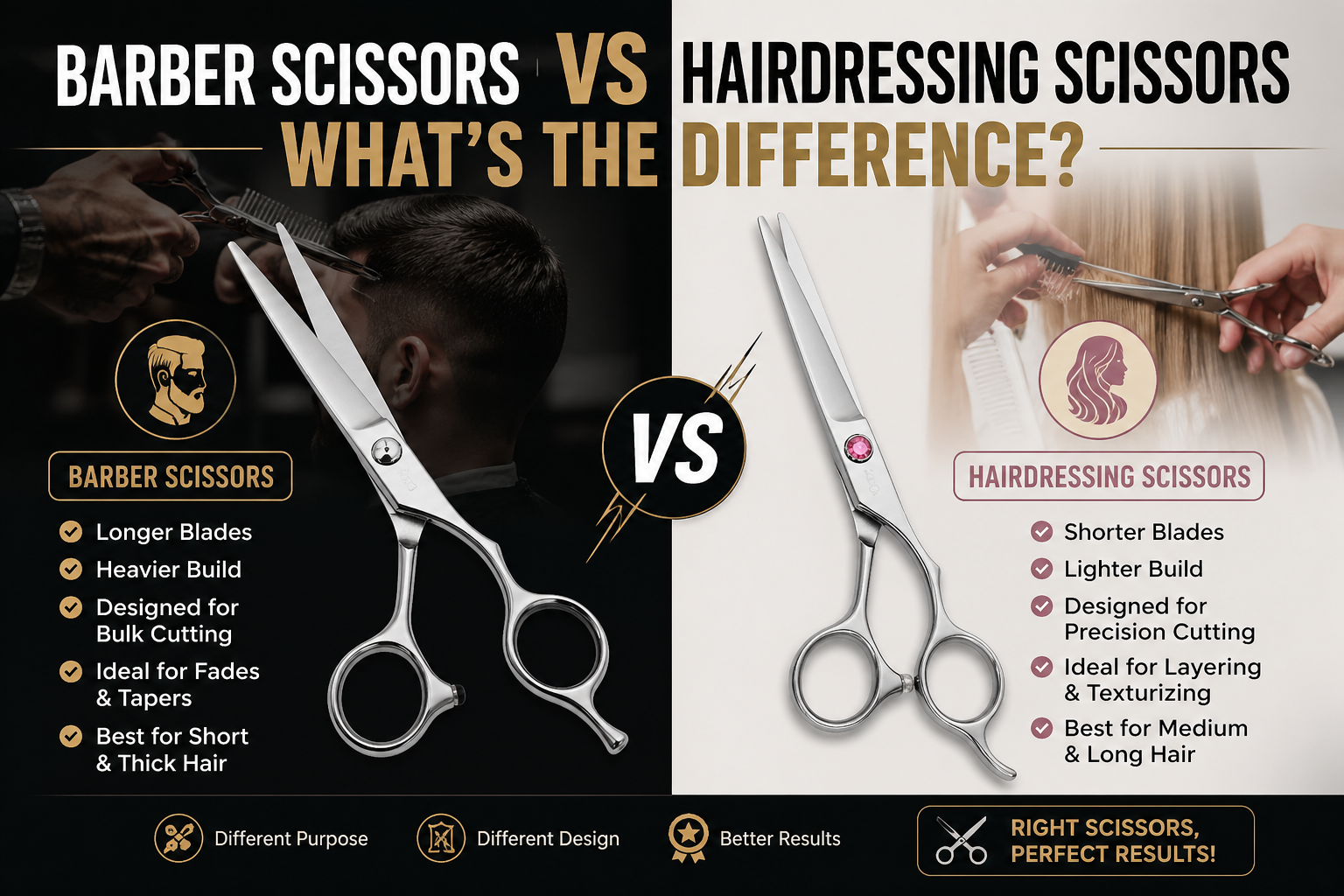
Most professionals pay between $120 and $600 for high-quality barber scissors or hairdressing scissors, while premium Japanese steel models can exceed $1,000 depending on craftsmanship, steel grade, and ergonomic design. Although many people use the terms interchangeably, barber scissors and hairdressing scissors are built for different cutting environments, techniques, and performance demands. Barbers typically need longer, stronger shears designed for speed, fading, tapering, and clipper-over-comb work. Hairdressers often prefer lighter, sharper shears optimized for layering, texturizing, slide cutting, and precision shaping for medium- to long-length hair. Choosing the wrong type can slow down service times, reduce cutting accuracy, and create hand fatigue over time. This guide explains the real-world differences between barber scissors and hairdressing scissors, including pricing, design, blade types, ergonomics, maintenance, professional use cases, and how to choose the right tool for your career. Whether you run a busy barbershop, manage a salon, or are investing in your first professional shear set, understanding these distinctions helps you spend wisely and work more efficiently.
Understanding the Core Difference Between Barber Scissors and Hairdressing Scissors
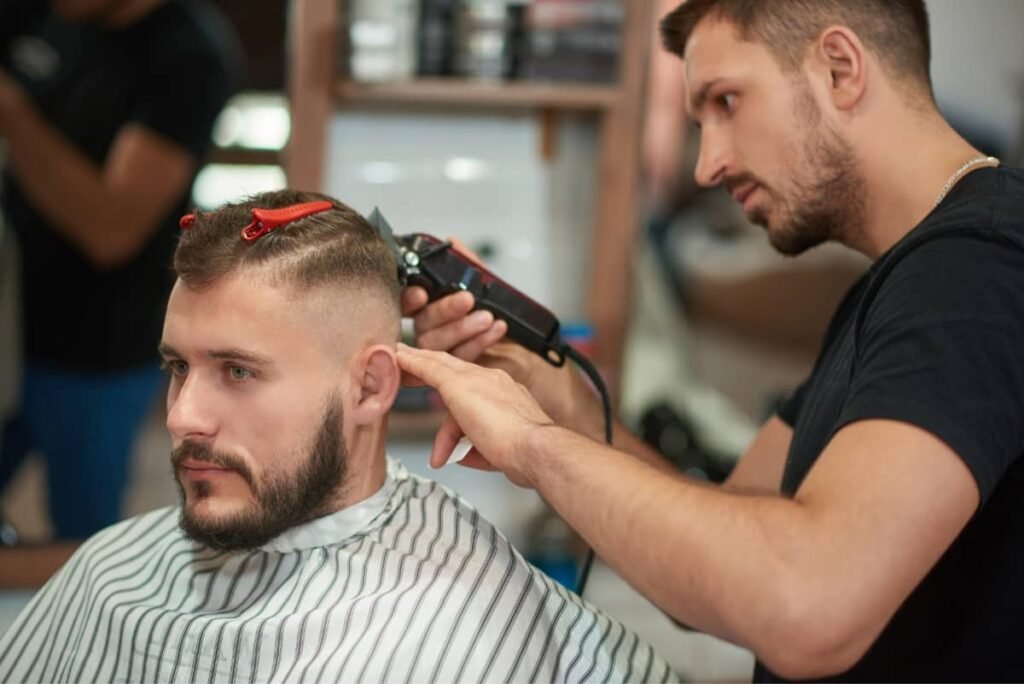
The biggest difference between barber scissors and hairdressing scissors is how they are engineered for daily use. Barber scissors are usually made for fast, repetitive cutting on shorter hairstyles. In a traditional or modern barbershop, professionals perform fades, tapers, beard detailing, scissor-over-comb blending, and bulk removal throughout the day. These services demand longer blades, stronger cutting edges, and reliable tension systems that can withstand heavy use. Many barbers choose scissors in the 6.5-inch to 7.5-inch range because longer shears allow efficient movement through large sections of hair and smoother blending techniques. Hairdressing scissors, by contrast, are commonly designed for more refined salon work such as layering, precision shaping, fringe detailing, wet cutting, and long-hair styling. Stylists often prefer 5.0-inch to 6.0-inch shears for control and maneuverability. They may use sharper convex edges that glide through hair during slicing techniques. In real professional settings, neither tool is universally better. Each is specialized for the type of haircutting environment, speed requirements, and finish quality expected by the client.
[Image: Professional barber station with scissors, clippers, and combs]
Average Cost Breakdown for Professional Scissors
Pricing varies significantly depending on steel quality, country of manufacture, edge design, brand reputation, and warranty support. Entry-level scissors may appear affordable, but they often lose sharpness quickly and require frequent replacement. Mid-range tools generally offer the best value for working professionals. Premium shears are usually selected by experienced barbers and stylists who prioritize long-term comfort and consistent cutting performance. According to grooming supply market trends and professional distributor pricing, most full-time professionals invest more than beginners because tool quality directly impacts income and efficiency.
Quality Level | Barber Scissors | Hairdressing Scissors | Typical User |
Entry Level | $80 – $180 | $70 – $160 | Students / Beginners |
Mid-Range Professional | $180 – $450 | $180 – $500 | Working Professionals |
Premium Level | $450 – $900 | $500 – $1,200+ | Senior Stylists / Master Barbers |
Higher pricing often reflects premium Japanese steel, better edge retention, hand-finishing, smoother pivot systems, and ergonomic handle design. A cheap shear that causes fatigue or pulls hair can cost more in lost time than a quality tool purchased once.
Blade Design, Length, and Cutting Performance
Blade design is where professionals feel the difference immediately. Barber scissors are frequently built with stronger blades and slightly heavier body balance. This helps during dry cutting, dense hair removal, and repetitive clipper-over-comb motion. Many barber models use bevel or semi-convex edges that provide durability and easier maintenance in high-volume shops. Hairdressing scissors are often lighter and sharper, especially when fitted with convex edges. Convex blades excel at slide cutting, point cutting, and seamless layering because they glide through strands with minimal resistance. Blade length also changes workflow. Longer blades help barbers move quickly through sides and crowns, while shorter salon shears allow detailed shaping around fringes, face frames, and delicate layers. Professionals who switch between both environments often own multiple pairs. In practical terms, a fade specialist may prefer a 7-inch shear, while a stylist focused on shoulder-length layered cuts may prefer a 5.5-inch precision shear. Tool selection should always match service demand rather than trends or marketing claims.
Ergonomics and Hand Fatigue in Daily Use
One of the most overlooked buying factors is ergonomics. Barbers and stylists can perform dozens of services weekly, sometimes spending 30 to 50 hours using scissors. Poorly designed tools may contribute to wrist tension, thumb soreness, elbow discomfort, and repetitive strain problems. Barber scissors often emphasize offset or crane handles because barbers use repetitive cutting motions and elevated elbow positions during fading and blending. Hairdressing scissors may prioritize lightweight balance and flexibility because stylists work from multiple angles around the head. Swivel-thumb models are popular across both industries because they reduce awkward wrist rotation. Handle ring size also matters. A premium shear that does not fit your hand can perform worse than a mid-range tool with proper sizing. Professionals should test grip comfort, thumb movement, and natural wrist posture before purchase whenever possible. Many experienced cutters report that upgrading to ergonomic shears improves speed and reduces fatigue more than simply buying a sharper blade.
[Image: Close-up of ergonomic offset barber scissors in hand]
Which Professionals Should Choose Barber Scissors?
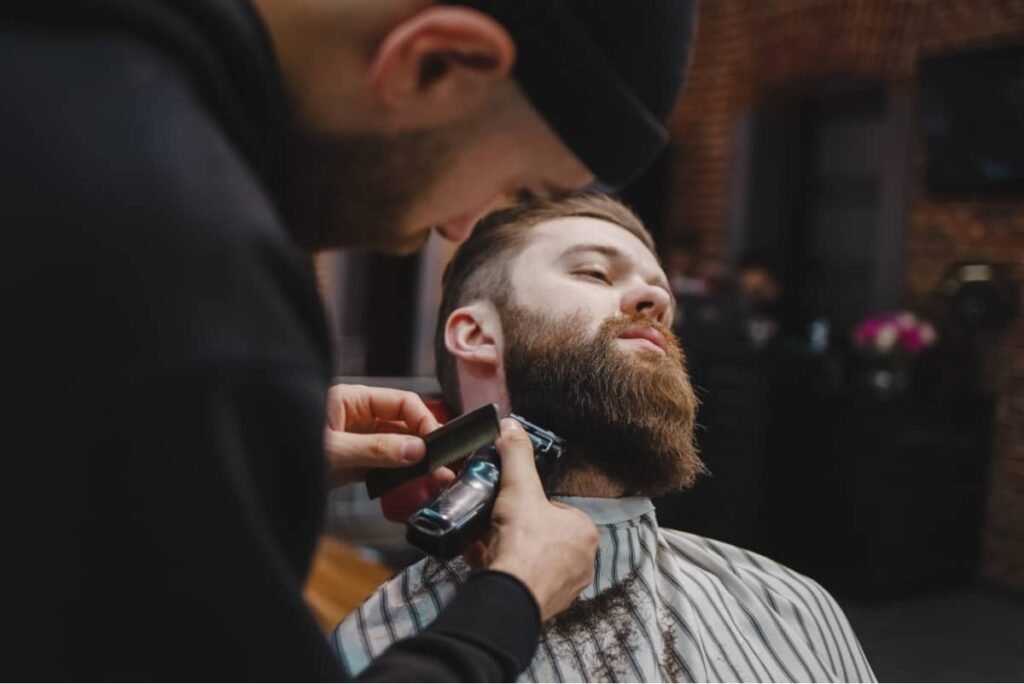
Barber scissors are the stronger choice for professionals focused primarily on men’s grooming, modern fades, beard work, and fast-paced walk-in service environments. In busy barbershops, speed and consistency are critical. Longer scissors help remove bulk quickly and improve scissor-over-comb control, especially when blending clipper lines. Dense or coarse hair textures also benefit from stronger blade geometry. Barbers who specialize in skin fades, crop cuts, pompadours, tapers, and classic gentleman styles usually gain more efficiency from barber-specific shears. Shop owners often keep durable mid-range barber scissors for staff because they hold up well under constant use. If your daily schedule includes multiple short cuts rather than detailed long-hair transformations, barber scissors are generally the smarter investment. They are also preferred by many mobile barbers because one longer shear can cover several functions. While texturizing and detailing tools may still be needed, the core workhorse in barbering is typically a strong, comfortable long shear designed for repetitive production work.
Which Professionals Should Choose Hairdressing Scissors?
Hairdressing scissors are ideal for salon professionals who perform layering, shaping, styling, texture work, and long-hair transformations. Stylists often need high precision around face framing, bangs, movement creation, and wet hair cutting. A smaller, lighter shear allows better finger control and detailed section work. Convex-edge hairdressing scissors are especially popular because they produce smooth cutting lines with minimal push or drag. Professionals who specialize in balayage finishing cuts, layered bobs, curtain bangs, textured shags, and bridal styling usually benefit from salon shears designed for finesse. These scissors are also common in training academies because they teach controlled technique. While some stylists use longer blades for blunt cuts, many keep a range of sizes depending on services offered. If your schedule includes consultation-based transformations, shape correction, styling finishes, or high-detail salon work, hairdressing scissors are usually the better fit. Precision and fluid movement often matter more than brute durability in these environments.
Common Mistakes Buyers Make
Many new buyers choose scissors based only on brand name, appearance, or low price. This often leads to disappointment. One common mistake is purchasing the wrong size. Oversized scissors can feel clumsy, while very short scissors may slow down bulk cutting. Another mistake is ignoring steel quality. Soft steel dulls faster and may push hair instead of cutting cleanly. Buyers also underestimate maintenance costs such as sharpening, tension adjustment, and accidental drops. Some professionals buy one pair expecting it to do everything. In reality, many experienced cutters own a main cutting shear plus thinning or texturizing tools. Another major mistake is ignoring handedness. Left-handed professionals using right-handed shears often experience poor cutting performance and discomfort. Finally, copying another barber or stylist’s preference without considering your own hand size and techniques can be expensive. The best shear is the one that matches your workflow, not the one trending online.
Bonus Pro Tips from Industry Experience
Pro Tip #1: If you cut more than ten clients a day, prioritize ergonomics over branding. Reduced fatigue increases long-term productivity.
Pro Tip #2: Keep a backup shear. Even premium tools need servicing, and downtime can cost appointments.
Pro Tip #3: Oil the pivot weekly and clean hair debris daily. Proper maintenance can add years to tool life.
Pro Tip #4: Own different tools for different services. One barber shear and one detail shear often outperform one expensive “all-purpose” pair.
Frequently Asked Questions
Can barbers use hairdressing scissors?
Yes, but many barbers find salon shears too short or delicate for fast blending and bulk cutting.
Can stylists use barber scissors?
Yes. Many stylists use longer shears for blunt cuts or long-section cutting.
How long do professional scissors last?
With proper care and sharpening, premium scissors can last many years.
Are expensive scissors worth it?
For full-time professionals, usually yes. Better ergonomics and steel quality often justify the cost.
What size do most barbers prefer?
Many professionals choose 6.5-inch to 7-inch scissors.
What size do stylists prefer?
Most choose 5.5-inch to 6-inch, depending on technique.
Final Verdict
Barber scissors and hairdressing scissors are not simply two names for the same tool. Barber scissors are built for speed, durability, fades, tapering, and repetitive shop use. Hairdressing scissors are designed for control, layering, shaping, and precision styling. If your business centers around men’s cuts and quick service volume, barber shears are usually the right investment. If you focus on salon artistry and long-hair transformation work, hairdressing shears are the better option. Many top professionals eventually own both because each serves a distinct purpose. Buying based on actual service needs rather than marketing claims leads to better performance and stronger long-term value.
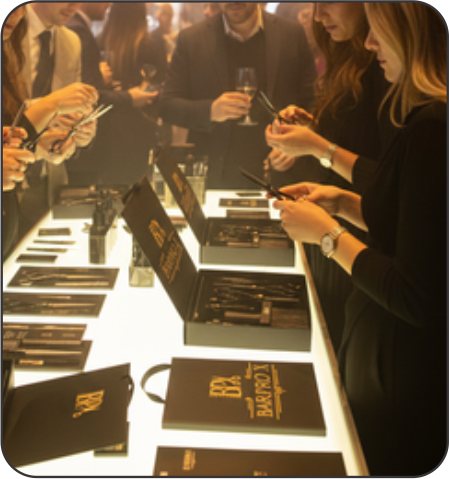
Professional Barber Tool Support – BarPro X
Looking for premium barber scissors, salon shears, thinning tools, or expert guidance? BarPro X supplies professional grooming tools built for performance, comfort, and durability.
Phone: +1-647-869-5482
Email: Business@clauxfive.com
Contact BarPro X today for expert help choosing the right scissors for your shop, salon, or professional care

BPX Professional · Stay Updated
Be the First to Know
Get early access to deals, new product launches, and exclusive BPX Professional updates — straight to your inbox.
No spam. Unsubscribe anytime.
✅
You're In!
Thanks for subscribing. Watch your inbox for exclusive BPX Professional updates.