Best Barber Scissors for Professionals (2026 Complete Guide)
Choosing the right barber scissors is essential for precision, speed, and long-term comfort behind the chair. Professionals depend on tools that stay sharp, feel balanced, and perform consistently across different hair types. We approach selection with a focus on real-world performance, durability, and ergonomics—because those factors directly affect client results and daily workload.
In high-demand environments, the difference between average and excellent tools becomes obvious within weeks of use.
BarPro X reflects a commitment to precision engineering designed for professionals who value consistency.
We prioritize practical guidance so barbers can invest once and perform better for years.
Key Takeaways
- High-quality scissors improve accuracy, speed, and consistency
- Steel quality and blade design determine long-term performance
- Ergonomics reduce fatigue during extended use
- Different scissor types serve specific cutting techniques
- Proper maintenance significantly extends tool lifespan
Why Professional Barber Scissors Matter
Professional scissors influence every aspect of a haircut, from initial sectioning to final detailing. Low-quality tools often drag hair, create uneven cuts, and increase wrist strain. Over time, this not only affects results but also slows down workflow.
We see that experienced barbers rely on smooth cutting action and predictable control. These qualities allow them to focus on technique rather than compensating for tool limitations. In busy shops, where efficiency matters, better scissors translate directly into improved service speed and client satisfaction.
Industry data suggests that barbers using premium tools can improve cutting efficiency by up to 20%, especially during repetitive tasks. That improvement compounds over time, making tool selection a strategic decision rather than a simple purchase.
Types of Barber Scissors and Their Uses
Understanding the different types of scissors helps professionals choose tools that match their cutting style. Each type serves a distinct purpose and contributes to overall versatility.
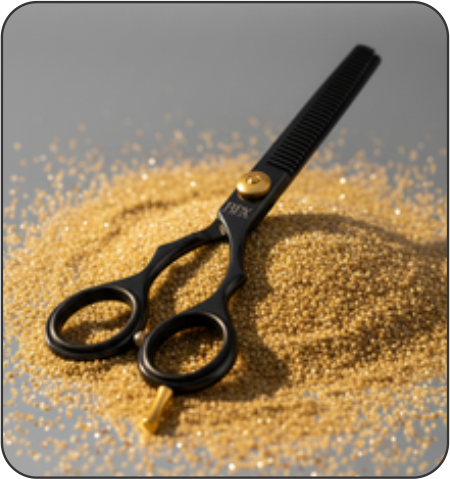
Straight cutting scissors handle most standard cuts and are considered essential. Thinning shears reduce bulk and soften heavy sections without altering length significantly. Texturizing scissors create movement and blend layers, especially in modern hairstyles.
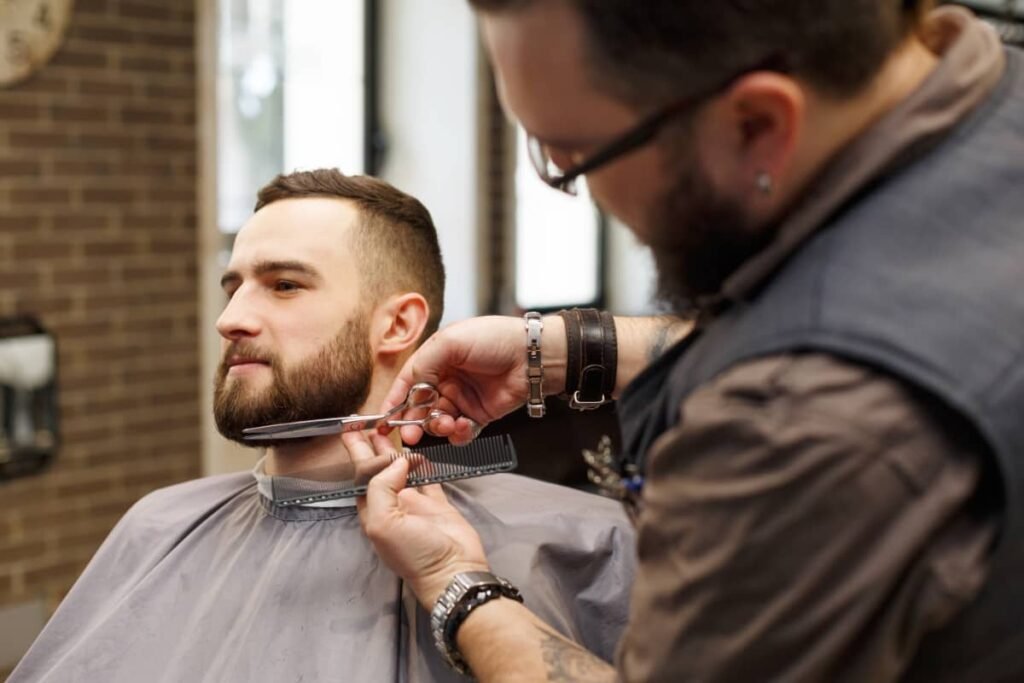
Curved scissors are less common but useful for detailing and shaping areas such as beards or edges. Professionals often combine multiple types to achieve precise results across different services.
Key Features to Look For in 2026
Modern barber scissors incorporate advanced materials and ergonomic improvements. We evaluate tools based on performance rather than branding alone.
Essential Features to Consider
- High-quality steel such as Japanese or high-carbon alloys
- Convex or semi-convex blades for smooth cutting
- Ergonomic handles that align with natural hand position
- Adjustable tension systems for better control
- Balanced weight for reduced wrist fatigue
Steel composition remains the most critical factor. High-carbon and Japanese stainless steel retain sharpness longer and resist corrosion, which is especially important in humid or variable climates.
Blade type also matters. Convex edges provide precision and smoothness, making them ideal for professional use. Handle design plays an equally important role, as poor ergonomics can lead to discomfort during long working hours.
Cost vs Value: What Professionals Should Expect
Barber scissors vary widely in price, and understanding the difference between cost and value is essential. Entry-level scissors may range from $40 to $80, mid-range options from $80 to $200, and professional-grade tools from $200 to $500 or more.
We recommend focusing on long-term value rather than initial price. Cheaper scissors often lose sharpness quickly, requiring frequent replacement. In contrast, high-quality scissors maintain performance for years with proper care.
Studies within the grooming industry show that professionals who invest in higher-quality tools reduce replacement frequency by nearly 30%, leading to better long-term savings.
Market Demand and Professional Trends
The demand for precision tools continues to grow as barbers prioritize performance and efficiency. Searches for professional barber scissor in canada highlight a shift toward specialized equipment that meets professional standards.
This trend reflects a broader movement in the grooming industry, where clients expect higher-quality results and barbers respond by upgrading their tools. As competition increases, professionals who invest in better equipment gain a clear advantage.
Maintenance and Longevity
Proper maintenance is essential for preserving performance and extending the life of barber scissors. Daily care prevents buildup and ensures smooth operation, while periodic sharpening maintains cutting precision.
Maintenance Essentials
- Clean and dry scissors after each use
- Apply oil to the pivot regularly
- Store in a protective case to prevent damage
- Avoid cutting non-hair materials
- Schedule professional sharpening when needed
Neglecting maintenance can quickly reduce performance, even in high-end scissors. Regular care ensures consistent results and protects your investment.
Decision Factors Before Buying
Selecting the right scissors requires understanding your specific needs. Hair type, cutting techniques, and daily workload all influence the ideal choice.
Barbers working with thick hair may prefer heavier scissors with stronger blades, while those focusing on precision styling often choose lighter, sharper tools. Budget is also a factor, but it should align with long-term goals rather than short-term savings.
Research shows that nearly two-thirds of professionals upgrade their tools within the first two years, often due to poor initial selection. Taking time to evaluate options carefully helps avoid unnecessary replacements.
Common Mistakes Professionals Should Avoid
Even experienced barbers can make mistakes when selecting scissors. These errors often lead to discomfort, poor performance, or unnecessary expenses.
Common Buying Mistakes
- Choosing low-cost tools without evaluating quality
- Ignoring ergonomic design and comfort
- Selecting the wrong size for hand and technique
- Overlooking maintenance requirements
- Not testing balance and grip before purchase
Avoiding these mistakes ensures better performance and long-term satisfaction.
Practical Questions Answered
Barbers frequently ask how long scissors should last. With proper care, professional scissors can remain effective for several years. Some high-quality tools last a decade or more.
Another common question is whether beginners should invest in premium scissors. While beginners can start with mid-range tools, upgrading becomes essential as skill level and workload increase.
Professionals also consider environmental factors. In colder climates, tools may require additional care due to temperature changes, making maintenance even more important.
Frequently Asked Questions
What size scissors are best for professionals?
Most professionals prefer sizes between 5.5 and 6.5 inches. This range provides a balance between control and versatility, making it suitable for a wide range of cutting techniques.
How often should scissors be sharpened?
Sharpening depends on usage, but most professionals sharpen their scissors every three to six months. Regular sharpening maintains cutting efficiency and extends tool life.
Are expensive scissors worth the investment?
Higher-quality scissors typically offer better materials, sharper edges, and longer lifespan. While they require a higher initial investment, they often provide better long-term value.
Can one pair of scissors handle all tasks?
One pair can manage basic cutting, but professionals usually use multiple types for different techniques. This improves efficiency and results.
How can barbers test scissors before buying?
Testing involves checking grip comfort, balance, and cutting smoothness. Simulating cutting motions helps determine whether the scissors feel natural and controlled.
Conclusion
Professional barber scissors are more than just tools—they are a critical part of delivering consistent, high-quality results. By focusing on material quality, ergonomic design, and proper maintenance, barbers can choose scissors that enhance both performance and comfort.
Investing in the right tools leads to better efficiency, improved client satisfaction, and long-term cost savings. With the right approach, professionals can ensure their tools support their growth rather than limit it.
Upgrade Your Professional Tools Today
If you are ready to improve your cutting performance, explore precision-engineered barber scissors designed for durability and control. We focus on tools that support professionals through demanding schedules and diverse styling needs. Contact us today to learn how the right scissors can elevate your workflow, improve comfort, and help you deliver consistent, professional results every day.