Why Cheap Barber Scissors Damage Hair (And What to Use Instead)
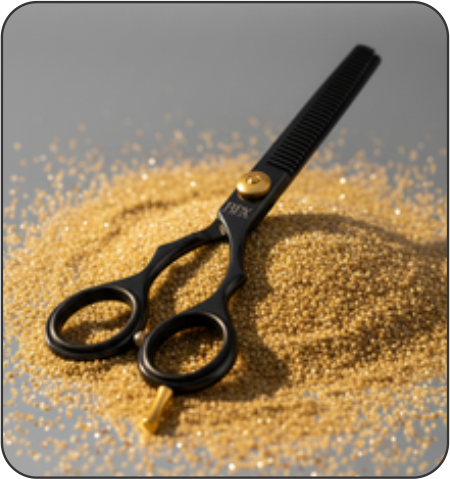
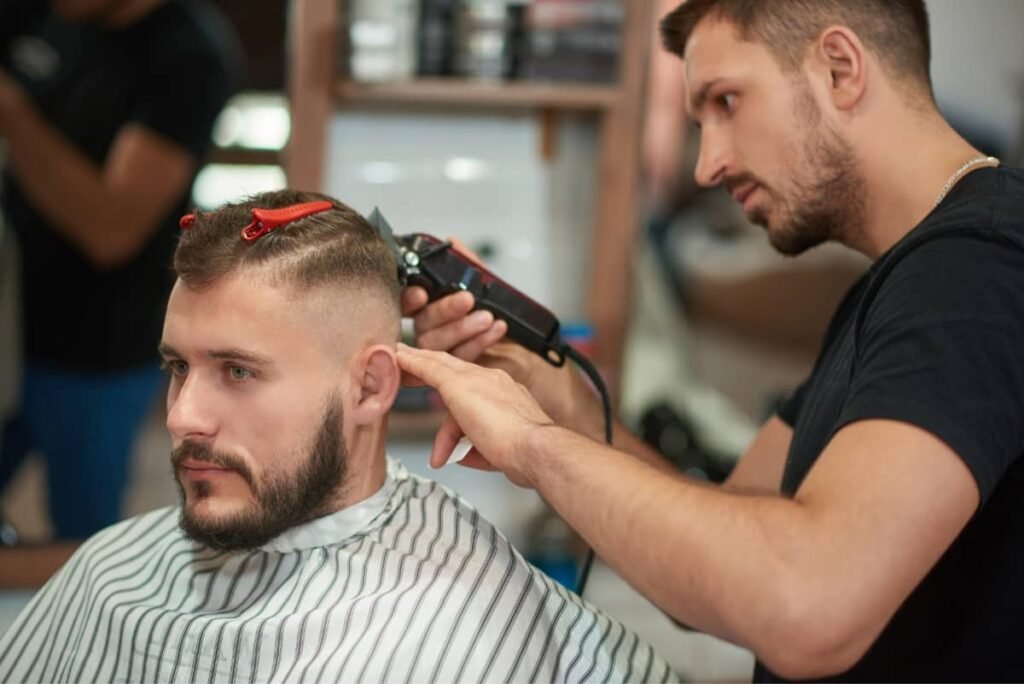
Many barbers focus on technique, fade consistency, and styling products while overlooking one of the biggest factors affecting haircut quality: the scissors themselves. Low-quality barber scissors may seem acceptable initially, especially for beginners or budget-conscious professionals, but over time they can negatively affect hair texture, cutting precision, client comfort, and even long-term hand health. At barpro x, we’ve seen how the difference between poorly made shears and professionally engineered scissors becomes obvious after repeated daily use in real barbershop environments.
Hair responds differently depending on blade sharpness, edge consistency, steel quality, and tension balance. When scissors are poorly manufactured, they often bend, fold, or drag hair instead of cutting cleanly. This creates rough ends, uneven texture, and unnecessary stress on the hair shaft. In professional barbering, those small imperfections quickly become visible in fades, layering, blending, and texture work.
Many lower-priced barber scissors are mass-produced using softer stainless steel and inconsistent blade finishing. While they may appear visually similar to professional shears, their performance often deteriorates quickly under regular salon use. Understanding why this happens helps barbers make smarter long-term decisions when building their grooming toolkit.
Key Takeaways
- Poor-quality barber scissors often fold or drag hair instead of cutting cleanly.
- Blade sharpness and steel quality directly affect haircut precision and hair health.
- Low-grade shears usually lose edge retention much faster under daily use.
- Ergonomic issues can increase wrist strain and cutting fatigue over time.
- Investing in professional shears improves consistency, comfort, and long-term performance.
How Poor-Quality Scissors Damage Hair
Hair should separate cleanly during cutting. Professional barber scissors are designed to slice through hair smoothly with minimal resistance, preserving the natural structure of the hair shaft. Low-grade scissors often fail to maintain that clean cutting action.
When blade edges dull quickly or become uneven, hair begins bending before it cuts. This creates microscopic fraying at the ends, which can make hair appear rough, dry, or inconsistent after styling. In textured cuts or detailed blending work, these imperfections become much easier to notice.
Many clients may not immediately understand why a haircut feels less polished, but poor blade performance often contributes to uneven texture and reduced finishing quality. Barbers who regularly use weak scissors usually experience more resistance during cutting, especially when working with thick, coarse, or curly hair types.
The American Academy of Dermatology explains that damaged or weakened hair structures can become more noticeable when repeated stress affects the hair shaft during grooming and styling processes:
The Difference Between Sharp Cutting and Hair Folding
One of the most common problems with low-quality barber scissors is hair folding. Instead of slicing cleanly, the blades push or bend sections of hair before finally cutting through them.
This issue becomes especially frustrating during:
- Slide cutting
- Texture work
- Point cutting
- Precision fading
- Layer blending
Barbers often compensate by applying more pressure or repeating cuts multiple times. Over time, this slows workflow efficiency and places additional strain on the wrist and fingers.
Professionally engineered shears maintain consistent blade contact from pivot to tip, which improves cutting smoothness and reduces unnecessary pulling. Better edge retention also helps preserve cutting performance between sharpening sessions.
Why Steel Quality Matters More Than Most People Think
Steel composition plays one of the biggest roles in long-term shear performance. Softer steel dulls faster, loses alignment more easily, and struggles to maintain a clean cutting edge under continuous use.
Higher-quality barber scissors often use Japanese steel or hardened alloy materials designed for improved edge retention and corrosion resistance. These materials maintain smoother blade movement and reduce friction during repetitive cutting.
The quality difference becomes more noticeable over time. Cheap scissors may feel sharp initially, but many lose performance rapidly after weeks of regular barbering work.
Professionals usually notice several warning signs early:
- Increased cutting resistance
- Hair pulling during fades
- Uneven blending
- Rough slide cutting
- Frequent sharpening needs
- Loose blade movement
These issues often indicate that the blade edge or steel hardness cannot maintain professional-level consistency.
How Cheap Scissors Affect Barber Performance
The impact of poor-quality scissors extends beyond the haircut itself. Low-grade shears can also affect a barber’s comfort, confidence, and cutting efficiency throughout the day.
Scissors with poor balance or uncomfortable handle design force the hand into awkward repetitive positions. This increases fatigue and may eventually contribute to wrist discomfort, finger strain, or reduced control during precision work.
Professional barber scissors are typically engineered with ergonomics in mind. Offset handles, balanced weight distribution, and smoother tension systems help reduce unnecessary stress during long appointments.
The Occupational Safety and Health Administration (OSHA) continues to emphasize the importance of ergonomics and repetitive motion awareness within professional work environments involving repeated hand movements:
Why Frequent Sharpening Becomes Expensive
Many buyers assume lower-priced scissors save money initially. However, poor-quality shears often require more frequent sharpening and replacement.
Because softer steel dulls quickly, barbers may need sharpening services far more often than expected. Repeated sharpening also gradually reduces blade lifespan over time, especially when scissors are manufactured with inconsistent steel hardness.
Professionals who switch to higher-quality shears usually notice:
- Longer edge retention
- Smoother cutting performance
- Reduced maintenance frequency
- Better blade consistency
- Improved durability
The long-term ownership cost of weak scissors often becomes higher than expected once maintenance and replacement expenses accumulate.
What to Use Instead of Low-Grade Barber Scissors
Barbers do not necessarily need luxury shears immediately, but they should prioritize professional-grade construction designed for daily use.
A reliable pair of barber scissors should provide smooth cutting motion, balanced ergonomics, strong edge retention, and consistent blade alignment. Even mid-range professional shears usually outperform poorly made scissors in terms of durability and long-term performance.
Several features are worth prioritizing:
- High-carbon or Japanese steel
- Convex or precision beveled edge blades
- Adjustable tension systems
- Ergonomic handle design
- Balanced weight distribution
Professionals handling multiple clients daily benefit significantly from tools designed specifically for long-term salon performance.
Many barbers eventually realize that professional barber scissors for hair cutting deliver greater value through improved consistency and reduced maintenance rather than focusing only on initial purchase cost.
Convex Edge vs Beveled Edge Performance
Blade style influences how scissors interact with hair texture and cutting techniques.
Convex edge scissors are sharper and smoother, making them ideal for advanced cutting methods such as slide cutting, texturizing, and precision blending. These blades provide cleaner cutting motion but require more careful maintenance.
Beveled edge scissors are generally more durable and forgiving, which is why many beginners start with them before transitioning to convex blades later.
Both options can perform well when manufactured using quality materials and proper blade engineering.
Signs It Is Time to Replace Your Current Shears
Many barbers continue using worn scissors longer than they should because blade deterioration happens gradually. Unfortunately, this often affects haircut quality without being immediately obvious.
Several warning signs indicate that replacement may be necessary:
- Hair bends before cutting
- Scissors snag during texture work
- Cutting feels inconsistent
- Excessive force is required
- Tension adjustment no longer holds
- Sharpening results do not last
Upgrading to higher-quality shears often improves cutting smoothness almost immediately.
How Professionals Build Better Shear Kits Over Time
Experienced barbers rarely rely on a single pair of scissors forever. As technical skills evolve, professionals typically expand their tool collection to support different cutting methods and hair textures.
Many advanced barber kits eventually include:
- Straight cutting shears
- Texturizing scissors
- Thinning shears
- Long blending scissors
- Precision detailing shears
Each tool serves a different purpose depending on the haircut style and finishing technique being performed.
The Professional Beauty Association also highlights continuing education and equipment quality as important factors in long-term barbering success and service consistency:
What Most Professionals Prioritize Before Buying New Shears
Experienced barbers usually evaluate performance factors long before focusing on aesthetics or branding.
Before purchasing new barber scissors, many professionals prioritize:
- Steel hardness and durability
- Comfortable ergonomics
- Smooth blade movement
- Long-term edge retention
- Reliable tension adjustment
- Sharpening support availability
These details often determine whether scissors remain reliable after years of continuous use in busy barbering environments.
Final Thoughts Before Choosing Your Next Pair
Choosing barber scissors should never be based solely on appearance or initial pricing. The quality of the blade, steel composition, balance, and ergonomics directly affects haircut precision, client comfort, and long-term barber performance.
Low-grade scissors may appear functional initially, but repeated daily use often reveals limitations through poor edge retention, inconsistent cutting motion, and increased maintenance needs. Investing in professional-quality shears designed for continuous salon use usually leads to smoother cutting, improved consistency, and better overall workflow efficiency.
Professionals exploring new grooming setups should also consider maintenance accessories, barber razors, and complementary grooming tools that support long-term performance behind the chair. Testing different blade styles and ergonomic designs often provides better insight than marketing claims alone before making a long-term investment.
If you are comparing different shear styles for professional barbering work, focusing on comfort, blade consistency, and durability can help narrow down which tools support your cutting style most effectively over time.
Frequently Asked Questions
Why do poor-quality barber scissors pull hair?
Low-grade scissors often lose sharpness quickly or develop uneven blade edges, causing hair to bend or drag before cutting cleanly.
Are expensive barber scissors really better?
Higher-quality shears generally provide smoother cutting motion, stronger edge retention, better ergonomics, and improved long-term durability.
What type of steel is best for barber scissors?
Many professionals prefer Japanese steel or premium alloy materials because they maintain sharper cutting edges and smoother blade performance.
How often should professional barber scissors be sharpened?
Sharpening frequency depends on usage and steel quality, but professional shears usually require maintenance every few months with regular salon use.
Can poor scissors damage hair texture?
Yes. Dull or uneven blades can create rough ends, fraying, and inconsistent texture during cutting, especially on detailed or layered styles.