How to Choose the Right Barber Scissors (Beginner to Pro Guide)
Choosing the right barber scissors can directly affect cutting precision, comfort, speed, and long-term performance behind the chair. Many professionals focus heavily on clippers and trimmers, yet scissors remain one of the most important tools in barbering because they influence everything from blending and layering to texture work and finishing details. At barpro x, we understand that selecting professional shears is not only about appearance or branding. The right pair should match your cutting style, experience level, workload, and long-term goals as a barber.
The challenge for many beginners is that barber scissors often look similar at first glance. However, differences in blade design, steel quality, ergonomics, balance, and tension systems can significantly affect how the scissors perform during daily use. A pair of shears that works perfectly for an experienced texture specialist may feel uncomfortable or difficult for a new barber still developing foundational cutting techniques.
Key Takeaways
- The right barber scissors should match your cutting style and experience level.
- Steel quality and blade design directly affect cutting smoothness and edge retention.
- Ergonomic handles improve comfort during long appointments.
- Beginners often benefit from durable beveled edge scissors before upgrading.
- Professional maintenance plays a major role in long-term shear performance.
Why Barber Scissors Matter More Than Most Beginners Realize
Barber scissors influence far more than simple cutting. They affect precision, control, efficiency, and hand comfort throughout the day. Poorly balanced shears can increase wrist fatigue, while low-quality blades may fold or push hair instead of cutting cleanly.
Experienced professionals often notice these issues immediately because they work continuously with different hair textures and cutting techniques. Beginners, however, may not realize that tool quality can influence how easily certain techniques are learned.
Professional shears designed with proper balance and smooth blade movement help barbers maintain better consistency while reducing unnecessary strain during repetitive use. This becomes especially important for professionals working long schedules or handling multiple detailed cuts daily.
The Professional Beauty Association continues to report growth in barbering and grooming services across North America, increasing demand for professional-grade cutting tools and long-term equipment investments:
Understanding the Different Types of Barber Scissors
One of the first steps in choosing barber scissors is understanding how different blade styles and shear types are designed for specific cutting techniques.
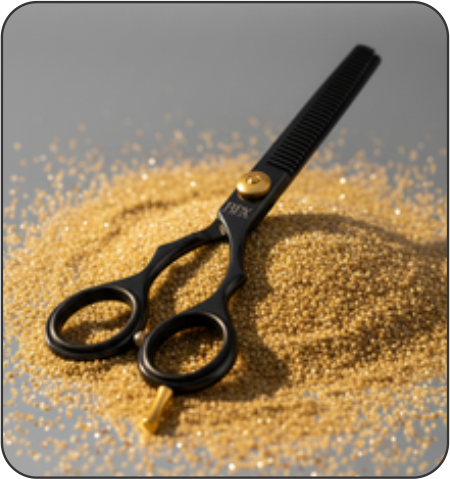
Straight cutting shears are commonly used for blunt cutting, trimming, and general precision work. Thinning shears remove bulk and soften weight lines without dramatically reducing length. Texturizing scissors help create movement and improve blending during layered or modern haircut styles.
Many professionals eventually build complete shear kits containing multiple scissors for different techniques. Beginners, however, often start with one reliable all-purpose pair before expanding their setup.
Beveled Edge vs Convex Edge Scissors
Blade design is one of the biggest factors affecting both performance and pricing.
Beveled-edge scissors typically have a more durable blade structure and are often recommended for beginners because they require less delicate maintenance. These scissors work well for basic cutting techniques and tend to tolerate heavier daily use.
Convex edge scissors are sharper and smoother, making them popular among experienced barbers and stylists who perform advanced cutting methods such as slide cutting or precision texturizing. Because the blade edge is finer, convex scissors require more careful maintenance and professional sharpening.
Most barbers eventually transition toward convex edge shears as their technical skills improve and cutting precision becomes more important.
How Steel Quality Affects Performance
Steel composition plays a major role in determining how professional barber scissors perform over time. Lower-quality stainless steel may dull more quickly and require frequent sharpening, while premium alloys maintain sharper cutting edges for longer periods.
Japanese steel scissors are especially popular in professional barbering because they combine smooth cutting performance with strong edge retention. German steel is also highly respected for durability and structural reliability during heavy daily use.
When comparing scissors, professionals often evaluate:
- Steel hardness
- Corrosion resistance
- Edge retention
- Blade consistency
- Long-term sharpening needs
These details may seem technical initially, but they directly affect how scissors perform after months or years of continuous salon use.
Why Ergonomics Matter During Daily Cutting
Many beginners focus heavily on blade sharpness while overlooking handle design and ergonomics. In reality, comfort plays a major role in long-term performance and career sustainability.
Offset and crane-style handles are designed to reduce wrist strain and improve hand positioning during repetitive cutting sessions. Professionals working long schedules often experience significantly less fatigue when using properly balanced ergonomic shears.
Poorly designed scissors can contribute to:
- Wrist discomfort
- Finger fatigue
- Reduced cutting control
- Shoulder tension
- Long-term repetitive stress issues
Comfort should never be treated as a secondary feature when choosing professional barber scissors.
Choosing the Right Scissor Size
Scissor size affects control, cutting style, and overall workflow efficiency. Smaller shears generally offer greater precision, while longer blades cover larger cutting sections more quickly.
Many beginners start with scissors between 5.5 and 6 inches because this range provides balanced versatility for general barbering techniques.
Longer scissors are often preferred for:
- Scissor-over-comb work
- Blunt cutting
- Large section cutting
- Fast workflow efficiency
Shorter scissors may feel more comfortable for:
- Detailed precision work
- Texturizing
- Point cutting
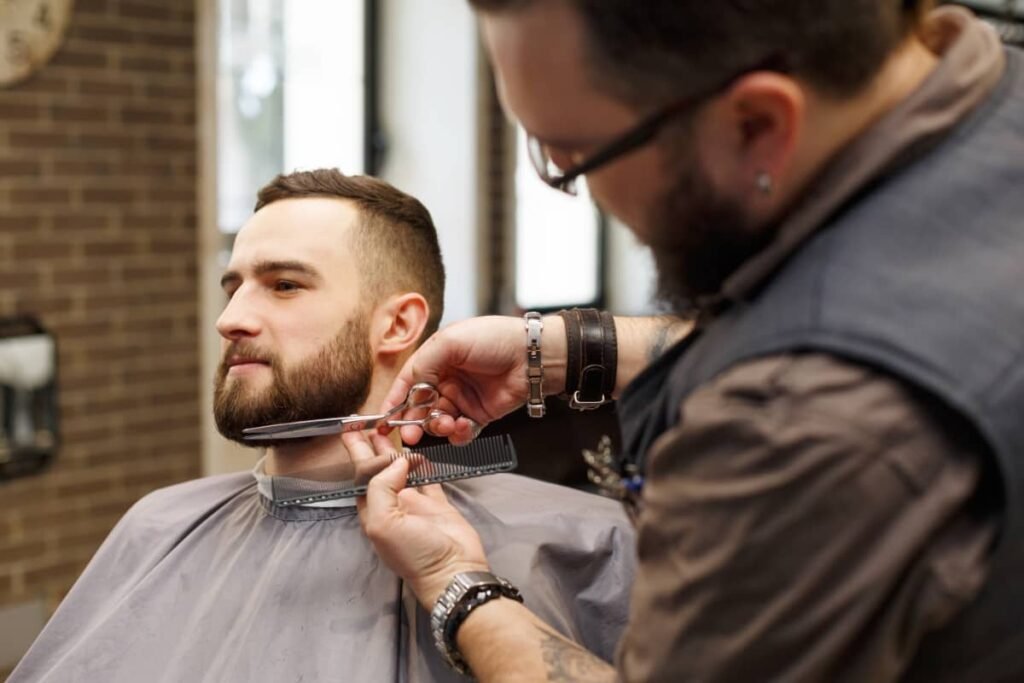
- Beard shaping
Testing different sizes in hand is often the best way to determine personal comfort and control preferences.
What Beginners Should Prioritize First
New barbers do not necessarily need luxury shears immediately. Technique development matters far more during the early learning stages.
Beginners usually benefit most from scissors that provide:
- Comfortable ergonomics
- Reliable durability
- Smooth tension adjustment
- Balanced weight distribution
- Consistent cutting motion
Many professionals recommend starting with dependable mid-range shears rather than purchasing extremely expensive models before understanding individual cutting preferences.
This is also where professional barber scissors for beginners become an important consideration because entry-level professionals often need tools that balance reliability, comfort, and manageable maintenance requirements without sacrificing cutting consistency.
Common Mistakes People Make When Buying Barber Scissors
Many buyers choose barber scissors based solely on appearance, branding, or marketing claims. Unfortunately, expensive scissors are not automatically the right fit for every barber.
Common purchasing mistakes include:
- Ignoring ergonomic comfort
- Choosing scissors based only on price
- Buying oversized shears too early
- Overlooking maintenance requirements
- Selecting advanced blades without experience
- Ignoring tension adjustment quality
The wrong scissors may still cut hair, but they can negatively affect comfort, precision, and long-term usability.
Why Maintenance Matters as Much as Initial Quality
Even high-end barber scissors gradually lose performance without proper maintenance. Daily exposure to hair particles, moisture, friction, and disinfectants slowly affects cutting smoothness and blade alignment.
Professional barbers typically maintain their shears through regular cleaning, lubrication, tension adjustment, and sharpening services. Proper maintenance not only preserves cutting precision but also extends the lifespan of professional tools.
The Occupational Safety and Health Administration (OSHA) also emphasizes proper sanitation and maintenance standards for grooming tools used in professional environments:
Signs You May Need Better Scissors
Many barbers continue using low-performing shears longer than necessary because blade deterioration happens gradually over time.
Several signs may indicate it is time to upgrade:
- Hair folding during cutting
- Increased wrist fatigue
- Uneven cutting lines
- Excessive sharpening frequency
- Poor slide cutting performance
- Loose blade movement
Professionals who upgrade to higher-quality shears often notice smoother cutting motion and improved overall control almost immediately.
How Professionals Build Their Shear Collection Over Time
Most experienced barbers do not rely on a single pair of scissors forever. As cutting techniques evolve, professionals often expand their tool collection to support different styles and services.
Many barber kits eventually include:
- Straight cutting shears
- Thinning scissors
- Texturizing shears
- Precision detailing scissors
- Longer blending shears
Each tool serves a specific purpose depending on the haircut, hair texture, and cutting method being used.
The National Cosmetology Association also highlights ongoing professional development and equipment quality as important parts of long-term success within grooming industries:
Final Thoughts Before Investing in Barber Scissors
Choosing the right barber scissors is ultimately about balancing comfort, cutting style, durability, and long-term performance. Beginners often benefit from durable and forgiving shears, while experienced professionals may prioritize precision blade engineering and smoother cutting motion for advanced techniques.
Instead of focusing only on appearance or pricing, barbers should evaluate how scissors feel during real cutting movement. Blade balance, ergonomics, steel quality, and maintenance requirements all contribute to long-term usability behind the chair.
Professionals exploring new grooming setups should also consider complementary barber tools such as razors, maintenance accessories, and grooming kits designed for daily salon performance. Taking time to compare blade styles and handle designs usually leads to better long-term decisions and more consistent cutting results.
If you are exploring professional grooming tools for daily barbering work, reviewing different shear styles and ergonomic configurations can help narrow down which option fits your workflow most naturally. Speaking with experienced barbers or testing shears directly often provides valuable insight before making a long-term investment.
Frequently Asked Questions
What size barber scissors are best for beginners?
Many beginners feel comfortable starting with scissors between 5.5 and 6 inches because they provide balanced control and versatility for general barbering techniques.
Are convex edge scissors better than beveled edge scissors?
Convex edge scissors provide smoother and sharper cutting performance, while beveled edge scissors are generally more durable and easier to maintain.
How long do professional barber scissors last?
High-quality barber scissors can last many years when maintained properly with regular cleaning, lubrication, tension adjustment, and sharpening.
Why do ergonomic barber scissors matter?
Ergonomic scissors help reduce wrist strain, improve comfort during long cutting sessions, and support better hand positioning for repetitive use.
Should beginners buy expensive barber scissors?
Beginners usually benefit more from reliable mid-range shears that provide comfort, durability, and balanced cutting performance while developing technical skills.