How Much Do Professional Barber Scissors Cost? (Full 2026 Pricing Guide)
If you spend enough time in a working barbershop, one pattern becomes obvious very quickly: the quality of tools directly controls the quality of results. Among all tools used in barbering, scissors—also referred to as shears—are the most precision-dependent instrument in daily use. Whether performing scissor-over-comb techniques, detailed beard shaping, or precision fading, professional barbers depend heavily on the quality of their cutting tools every single day.
Yet despite their importance, pricing remains one of the most misunderstood aspects of buying professional barber scissors. Walk into any online marketplace or supplier catalog, and you will find scissors priced anywhere from $50 to over $1,500, often with very little visible difference in design. This creates confusion, especially for beginners, who assume that pricing is driven mainly by branding rather than actual performance.
In reality, the cost difference is rooted in steel composition, manufacturing precision, edge geometry, ergonomic engineering, and long-term durability, all of which directly affect how the tool performs under real working conditions. According to insights shared by platforms such as Modern Salon and Professional Beauty Association, high-quality scissors can improve cutting efficiency by up to 25% while reducing strain-related injuries over time.
This complete guide breaks down the real cost structure of professional barber scissors, explains what you are actually paying for, compares cheap vs premium barber shears, and helps you make a practical, experience-based decision rather than a marketing-driven purchase.
Quick Answer: How Much Do Professional Barber Scissors Cost?
Professional barber scissors typically cost between $150 and $400 for most working barbers. Premium Japanese barber scissors can range from $400 to over $1,500, depending on steel quality, craftsmanship, and edge technology. Entry-level barber shears under $100 are available, but they are generally intended for students and beginners rather than long-term professional use.
Professional Barber Scissor Price Comparison Table
Scissor Category | Average Price Range | Best For | Expected Lifespan | Common Steel Type |
Entry-Level Scissors | $50–$150 | Students & Beginners | 6–12 Months | Basic Stainless Steel |
Mid-Range Professional Scissors | $150–$400 | Working Barbers | 2–5 Years | 440C Steel |
Premium Professional Scissors | $400–$800 | Experienced Professionals | 5–10 Years | VG-10 / Cobalt Alloy |
Luxury Japanese Scissors | $800–$1,500+ | Elite Barbers & Stylists | 10–20 Years | ATS-314 / Damascus Steel |
This pricing structure reflects real-world differences in performance, durability, sharpening frequency, and overall cutting efficiency.
Understanding the Real Price Range of Professional Barber Scissors
The price of professional barber scissors is generally divided into three main categories: entry-level, mid-range, and premium professional tools. Each category is designed for a different type of user and reflects major differences in steel quality, cutting performance, durability, edge retention, and long-term reliability. While beginners often focus mainly on affordability, experienced barbers understand that higher-quality scissors improve cutting precision, reduce fatigue, and deliver more consistent results during daily use. This is why most working professionals gradually transition from budget scissors to more advanced professional barber shears as their skills and workload increase.
Entry-Level Barber Scissors ($50–$150)
Entry-level barber scissors usually range between $50 and $150 and are primarily designed for barber students, beginners, and training environments. These scissors are suitable for learning basic haircutting techniques, but they often struggle to maintain consistent performance under heavy daily use. Most low-cost barber scissors are manufactured using standard stainless steel and machine-based production methods, which reduce production costs but also affect edge retention and cutting smoothness.
Although affordable, cheap barber scissors commonly develop performance issues after regular use, especially in busy barbershop environments. Common problems include:
- Fast dulling and reduced sharpness
- Uneven or inconsistent cutting
- Weak tension adjustment systems
- Lower fade and blending precision
- Increased wrist and hand fatigue
- More frequent sharpening requirements
At first, entry-level scissors may appear sharp and functional, but their performance often declines quickly after weeks of repeated use. Many beginner barbers initially purchase inexpensive scissors to save money, only to realize later that poor-quality tools slow down workflow, reduce cutting accuracy, and create unnecessary strain during long working hours. As a result, most professionals eventually upgrade to professional barber scissors with better steel quality, ergonomic comfort, and long-term durability once they begin working with regular clients.
Mid-Range Professional Barber Scissors ($150–$400)
Mid-range professional barber scissors, typically priced between $150 and $400, are widely considered the industry standard for serious working barbers. This category offers the ideal balance between affordability, durability, and professional-level cutting performance, making it one of the most popular choices in modern barbershops. Unlike entry-level scissors, mid-range barber shears are usually crafted from higher-quality materials such as 440C stainless steel, which delivers noticeably better sharpness retention, smoother cutting action, and improved long-term reliability.
For barbers who work with multiple clients daily, upgrading to mid-range scissors often leads to immediate improvements in workflow efficiency, blending precision, and overall comfort during long cutting sessions. These scissors are designed to handle consistent professional use while maintaining stable blade alignment and cutting accuracy over time.
Many experienced barbers consider this price range the best overall value because it provides professional-grade performance without the extremely high cost associated with luxury or handcrafted Japanese barber scissors. In fact, a large percentage of working professionals eventually upgrade to professional barber scissors in this category because they offer dependable long-term performance, higher cutting consistency, and greater durability at a price that is not premium.
Premium Barber Scissors ($400–$1,500+)
Premium scissors, which range from $400 to $1,500 or more, are designed for experienced professionals who demand maximum precision and long-term reliability. These tools are often handcrafted and use advanced materials such as Japanese cobalt alloys or ATS-314 steel, allowing them to maintain sharpness for years with minimal maintenance.
High-end brands such as Kasho, Joewell, Kamisori, and Jaguar are widely recognized for premium craftsmanship and advanced steel technology.
Industry supplier data referenced by Salon Today and barber-focused distributors shows that most professionals eventually upgrade into mid-range or premium categories once they recognize the long-term performance benefits and cost efficiency.
What You Are Actually Paying For
One of the biggest misconceptions in the barber industry is that expensive barber scissors are overpriced simply because of branding. In reality, the cost of professional barber scissors is directly connected to measurable performance factors that affect cutting precision, comfort, durability, and long-term reliability during daily use. High-end barber shears are engineered to deliver smoother cutting action, better edge retention, reduced maintenance, and improved ergonomic support for professionals who work long hours in busy barbershop environments.
When comparing cheap barber scissors to premium professional shears, the price difference is primarily influenced by factors such as steel quality, manufacturing precision, blade edge design, and ergonomic engineering. Each of these components directly impacts how smoothly the scissors cut, how long the blades remain sharp, how comfortable the tool feels during extended use, and how consistently it performs in high-volume professional barbering environments. Over time, these differences significantly affect cutting efficiency, maintenance costs, client satisfaction, and the overall lifespan of the scissors.
Steel Quality
The most important factor affecting barber scissor pricing is steel quality. The type of steel used determines how long the blades remain sharp, how smoothly they cut through hair, and how resistant they are to corrosion, wear, and long-term damage.
Lower-cost barber scissors typically use basic stainless steel that dulls quickly and requires frequent sharpening. In contrast, premium professional barber scissors use advanced alloys specifically designed for long-lasting sharpness and precision cutting performance.
Common Steel Types Used in Professional Barber Scissors
Steel Type | Quality Level | Main Benefits |
Basic Stainless Steel | Entry-Level | Affordable but loses sharpness quickly |
440C Steel | Mid-Range | Strong durability and corrosion resistance |
VG-10 Steel | Premium | Excellent edge retention and smooth cutting |
ATS-314 Steel | Luxury | Superior sharpness, longevity, and precision |
Cobalt Alloy | Premium | Long-lasting professional cutting performance |
According to technical discussions published by Modern Salon and industry manufacturer reports, premium steel can maintain sharpness up to five times longer than entry-level materials. This improved edge retention reduces sharpening frequency and helps professional barbers maintain consistent cutting performance during high-volume daily use.
Many experienced professionals prefer Japanese barber scissors because Japanese steel is widely recognized for its superior hardness, cutting precision, and long-term reliability.
Manufacturing Process
Another major factor influencing barber scissor prices is the manufacturing process. Machine-made scissors are produced quickly and at lower cost, but they often lack the fine balancing, alignment accuracy, and blade consistency required for precision barbering work. Premium professional scissors, especially handcrafted Japanese barber shears, go through multiple advanced production stages to ensure maximum cutting accuracy, smoother performance, and long-term durability. These high-end scissors typically undergo multi-stage blade grinding, advanced heat treatment, hand polishing, precision blade balancing, manual alignment calibration, and detailed tension system testing before reaching the final product stage. Each of these manufacturing processes improves cutting smoothness, blade stability, edge retention, fade precision, and overall lifespan. As a result, handcrafted professional barber scissors deliver more consistent performance during daily use and maintain their sharpness significantly longer than mass-produced entry-level shears, which is one of the primary reasons why premium barber scissors cost substantially more.
Edge Geometry
Edge geometry is another critical factor that directly affects cutting performance and overall scissor quality. Premium barber scissors often feature convex-edge blades, which provide smoother, cleaner, and more precise cutting compared to traditional bevel-edge designs commonly found in lower-cost scissors. Convex-edge barber shears are highly preferred by professional barbers because they perform exceptionally well during precision fades, slide cutting, scissor-over-comb work, texture cutting, and advanced blending techniques that require maximum control and accuracy. Unlike bevel edges, convex blades require less force while cutting, allowing the scissors to glide through hair more smoothly and efficiently. This reduced cutting resistance improves precision, minimizes hand fatigue, and creates cleaner finishing results during detailed barbering work. Because convex-edge blades require advanced grinding techniques and higher manufacturing precision, they are commonly found in premium professional barber scissors and high-end Japanese barber shears, which is one of the primary reasons these scissors cost significantly more than standard salon or entry-level barber scissors.
Ergonomic Engineering
Professional barbers often spend 8 to 12 hours daily performing repetitive cutting motions, making ergonomics one of the most important factors in professional scissor design. Poorly balanced scissors can place excessive strain on the wrist, fingers, thumb, and shoulder, leading to fatigue, discomfort, reduced cutting efficiency, and long-term repetitive stress injuries. To address these issues, premium barber scissors are specifically engineered with advanced ergonomic features that improve comfort, balance, and cutting control during extended daily use. High-end professional barber shears commonly include offset handle designs, crane-style handles, lightweight balancing systems, finger rest supports, adjustable tension systems, and optimized thumb positioning to reduce pressure on the hand and wrist.
These ergonomic improvements help professional barbers maintain better control while reducing physical strain during repetitive cutting movements. According to workplace studies referenced by the Occupational Safety and Health Administration, properly designed professional tools can significantly reduce the risk of repetitive strain injuries among grooming professionals. For this reason, many experienced barbers consider premium barber scissors not simply luxury tools, but long-term professional investments that improve both cutting performance and overall physical comfort throughout years of daily work.
Cheap vs Professional Scissors: What Changes in Real Use
Cheap and professional barber scissors look similar at first, but the real difference becomes clear after regular use. Initially, cheap scissors may feel sharp, but they quickly lose their edge and start requiring more pressure to cut hair. This leads to slower cutting speed, uneven fades, poor blending, and reduced precision. Over time, barbers also experience more hand fatigue because low-quality scissors create extra resistance during cutting.
In contrast, professional barber scissors are designed for long-term performance. They maintain sharpness for much longer, require less force, and deliver smoother, cleaner cuts. This improves cutting speed, accuracy, and overall client satisfaction, especially in busy barbershops where efficiency matters.
Cheap scissors can also increase the risk of wrist strain and repetitive stress injuries due to poor balance and higher cutting effort, while professional scissors offer better ergonomics and comfort during long working hours. This is why experienced barbers consider professional scissors a necessity for consistent, high-quality results rather than just an upgrade.
Hidden Costs That Most Barbers Overlook
When evaluating the cost of barber scissors, many buyers focus only on the initial purchase price, ignoring the long-term expenses associated with maintenance and replacement.
Sharpening Costs
One of the highest hidden costs is sharpening, which typically ranges from $20 to $50 per session, depending on the service provider and blade condition.
Cheap scissors require sharpening more frequently due to poor edge retention, which increases maintenance costs over time.
Replacement Costs
Replacement cost is another overlooked factor, as entry-level scissors may need to be replaced every six to twelve months, while premium scissors can last for decades with proper care.
Industry reports referenced by Salon Today highlight that over a five-year period, the cumulative cost of repeatedly replacing cheap scissors often exceeds the cost of a single high-quality pair.
Productivity Loss
There is also an important indirect cost associated with productivity loss when using low-quality barber scissors. In a professional barbershop, even small inefficiencies can significantly impact daily output, because slower cutting speed and inconsistent performance reduce the total number of clients a barber can serve in a day.
Poor-quality scissors can lead to several real-world issues, including slower workflow, uneven blending, reduced cutting efficiency, and lower client satisfaction or retention over time. These problems not only affect the quality of the haircut but also increase the time required per client, which directly reduces overall shop productivity and earning potential.
When all these factors are considered together, it becomes clear that the true cost of barber scissors is not just the purchase price, but the total cost of ownership over time, including efficiency, maintenance, durability, and long-term business performance.
Signs It’s Time to Upgrade Your Barber Scissors
If you regularly experience any of the following issues, it is usually a clear sign that it’s time to upgrade your barber scissors. These problems directly affect cutting performance, client satisfaction, and daily workflow efficiency:
Hair folding instead of cutting cleanly, uneven or inconsistent fades, excessive hand and wrist fatigue, loose or unstable tension systems, frequent sharpening requirements, hair snagging or pulling during cuts, and overall reduced cutting precision.
When these issues start appearing consistently, it means the scissors are no longer performing at a professional standard. Many barbers initially try to adjust their technique to compensate, but over time this leads to slower work, lower-quality results, and increased physical strain.
For this reason, many professionals eventually transition to premium barber scissors once these performance limitations start affecting their daily work, because better tools restore cutting control, improve efficiency, and deliver more consistent results.
Advanced Professionals
For experienced professionals, especially those working in high-demand environments, investing in premium scissors above $400 is often the most practical choice, as these tools offer superior durability and reduce long-term maintenance costs.
Many advanced barbers choose brands such as Matsui and Hattori Hanzo because of their craftsmanship and long-term performance.
According to recommendations from industry educators and platforms such as Modern Salon, selecting scissors based on comfort and balance is just as important as material quality, as poor ergonomics can lead to fatigue and long-term injury.
Testing scissors before purchasing, whenever possible, is strongly advised, as even small differences in handle design and weight distribution can significantly affect performance during extended use.
Barber Industry Statistics and Market Insights
Recent barbering industry reports indicate:
- Premium scissors can retain sharpness up to 5x longer than cheap scissors
- Professional ergonomic scissors may reduce hand fatigue significantly
- High-volume barbers replace low-quality scissors far more frequently
- Better cutting tools improve workflow efficiency and consistency
These insights explain why experienced barbers gradually invest in higher-quality barber tools over time.
Frequently Asked Questions (High Search Queries)
How much do professional barber scissors cost?
Professional barber scissors typically cost between $150 and $400 for most working barbers, while high-end premium scissors can range from $400 to over $1,500 depending on materials and craftsmanship. Entry-level scissors are available for under $100, but they are generally not suitable for long-term professional use due to limited durability and performance.
Are expensive barber scissors worth it?
Yes, expensive barber scissors are worth it for professionals who rely on consistent performance and efficiency. High-quality scissors maintain their sharpness longer, reduce cutting effort, and improve precision, which leads to better results and higher client satisfaction.
What is the best steel for barber scissors?
The best steel for barber scissors includes 440C, VG-10, and ATS-314, as these materials offer excellent edge retention, corrosion resistance, and durability.
How long do professional barber scissors last?
Entry-level scissors may last 6 to 12 months, mid-range scissors can last 2 to 5 years, and premium scissors can last 10 to 20 years or more with proper care.
How often should barber scissors be sharpened?
Barber scissors should typically be sharpened every 3 to 6 months depending on usage and steel quality.
Why are Japanese barber scissors so expensive?
Japanese barber scissors are expensive because they use premium steel, traditional handcrafting techniques, advanced heat treatment, and precise blade alignment systems that improve long-term performance.
What size barber scissors are best?
Most professional barbers prefer scissors between 6 and 7 inches depending on their cutting style and hand size.
Are Japanese scissors better than German scissors?
Japanese scissors are known for sharper convex edges and precision cutting, while German scissors are recognized for strength and durability.
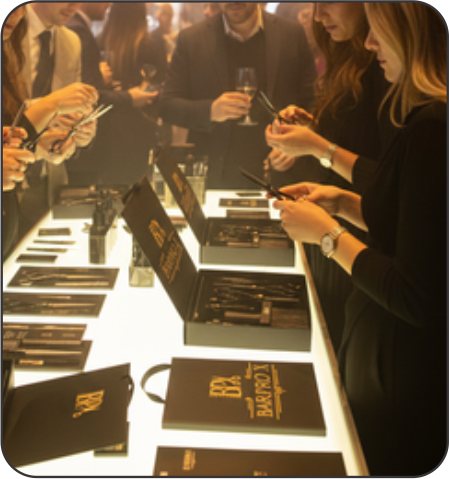
Why Many Professionals Choose BarPro X
Modern barbers are increasingly selective when it comes to their tools, especially scissors, because performance directly impacts speed, precision, and client satisfaction. Professional barbering now demands tools that can handle long working hours while maintaining consistent sharpness and control.
Barbers typically look for scissors that offer a combination of:
- Long-lasting sharpness for consistent daily performance
- Ergonomic comfort to reduce wrist and hand fatigue
- Professional durability for long-term use in busy shops
- High precision cutting for fades, blending, and detailing
Many professionals choose BarPro X because it is designed specifically for working barbers who need reliable performance in real shop conditions, not just basic cutting tools. Whether performing fades, scissor-over-comb techniques, or advanced blending work, high-quality scissors directly improve cutting speed, accuracy, and overall workflow efficiency, leading to better client results and higher satisfaction.
Conclusion
The cost of professional barber scissors is not simply a matter of price—it is a reflection of quality, performance, and long-term value. While entry-level scissors may seem appealing due to their low cost, they often result in higher expenses over time due to frequent maintenance and replacement.
Mid-range scissors provide the best balance for most professionals, offering reliable performance at a reasonable price point, while premium scissors represent a long-term investment that delivers unmatched durability and efficiency.
Ultimately, the right choice depends on your experience level, workload, and commitment to your craft. As industry insights from Professional Beauty Association and Modern Salon consistently show, investing in high-quality tools is one of the most effective ways to improve both performance and client satisfaction in the barbering profession.
Sources
- Professional Beauty Association (PBA)
- Modern Salon
- Salon Today
- Occupational Safety and Health Administration (OSHA)
- Barbering Industry Training Manuals
- Global Hairdressing Market Research Reports